
Buying Guides
Why the Bulk Order Doesn't Match the Sample You Approved
Samples get made slowly, on one line, by careful hands. Bulk orders don't. Where the difference creeps in, and how to catch it while it is still in China.
The sample arrived in twelve days, in a padded bag, and it was good. Weighty. The stitching sat straight, the color matched your mood board, the zipper ran smooth. You paid the deposit the same week.
Two months later a pallet lands at your warehouse and something is off. The fabric feels lighter. Half the units are a slightly different shade. The poly bags are thinner than the one your sample came in. Nothing is broken enough to refuse the shipment - and nothing is good enough to sell at the price you planned.
This is one of the most common failure patterns in small importing, and almost nobody is lying when it happens. Here is where the gap actually comes from.
Why bulk rarely matches the sample
A sample is a prototype. A factory makes one or a few, slowly, often by their best workers, sometimes on a different machine than production uses. The sample exists to win your order, so it gets attention that a 3,000-unit run will never receive.
Bulk is made at speed, by whoever is on shift, in batches, with materials sourced again weeks after the sample was made. Each of those steps has tolerance in it. The sample sits at one end of the tolerance; your shipment lands somewhere in the middle - or lower, if nobody was watching.
Where the difference creeps in
Materials get swapped
Fabric is the usual suspect. Between your sample and production, the supplier's own cost may have moved, or their fabric supplier changed a batch. The replacement drapes almost the same in a photo and weighs a few grams less per meter. Multiply that across a carton and the product you receive is a different product.
Batches vary
Dyed fabric comes in dyelots, and dyelots do not match each other exactly. If your order was produced in two runs, you may see the seam between them - one half of the shipment a touch darker than the other. Metal parts behave the same way: plating batches shift in tone, and a zipper pull that matched the sample can arrive brassy next to the rest.
Speed changes handwork
Anything finished by hand - stitching that has to be aligned, edges that get trimmed, pieces that get glued - drifts as workers settle into pace. The sample was made by someone who had time to care. Line production is measured in seconds per unit.
Packaging runs late
The goods are ready before the printed boxes are. Suppliers ship product in plain or thinner packaging and promise the branded version next order - sometimes without asking. You find out when the cartons open.
The sample was made to win the order. The shipment was made to hit a deadline. Plan as if those are two different products, because until someone checks, they are.
The golden sample
A common and cheap defense is the golden sample: after approving the pre-production sample, you and the supplier each keep one sealed, labelled copy, and it becomes the written standard for the order. Not a photo - photos hide weight, drape and finish. A physical reference.
Two habits make it work. First, measure and photograph the golden sample when you seal it: weight in grams, key dimensions, fabric composition as stated, packaging details. Second, treat any change the supplier proposes after approval - cheaper fabric, a different accessory brand, plain packaging - as a new decision you make deliberately, not one that happens to you in a WeChat message.
Checking bulk against it
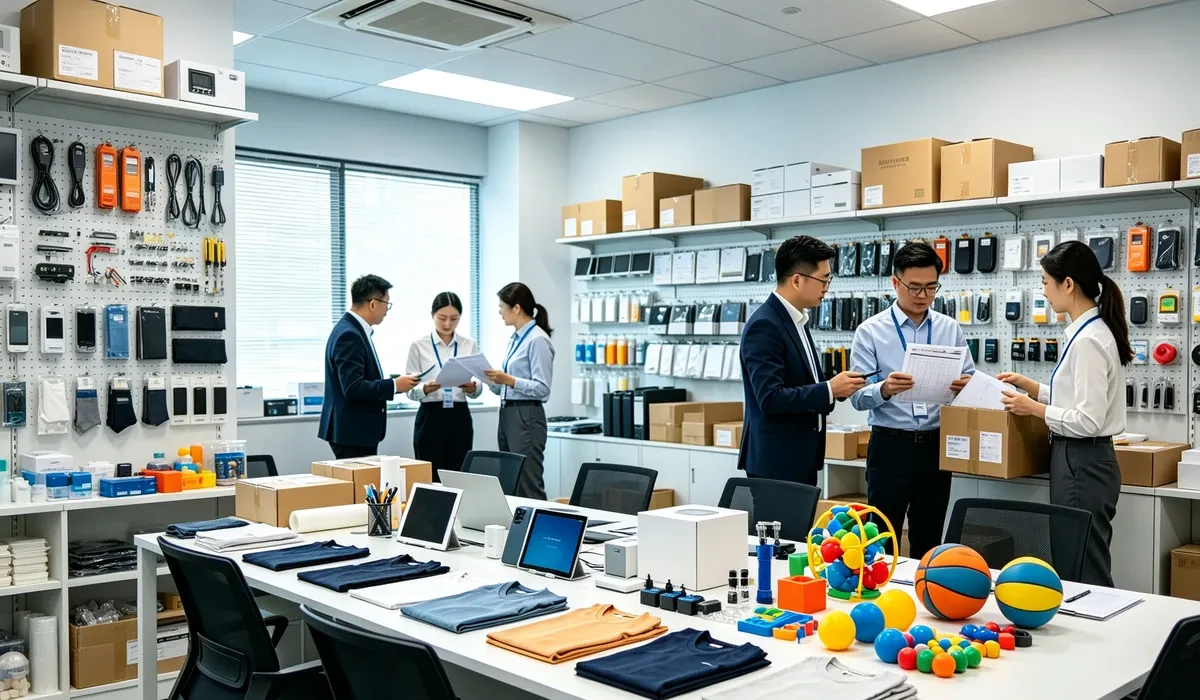
The mismatch above was invisible until someone opened cartons and compared. That is the whole job of pre-shipment inspection: pull units across the run, weigh them, measure them, check color against the golden sample in daylight, open the poly bags, count against the packing list - and document it all with photos or video while the goods are still in China, where a problem is still fixable.
Once a mismatched shipment has left the factory, your options shrink to negotiation. Before it ships, they include fixing, reworking, or replacing. The inspection is what keeps you on the right side of that line.
China inspection, warehouse consolidation and shipping serviceHow this runs through a buying agent
When you order through an agent, the sample step is the same - you approve what you approve - but two things change. The agent speaks to the factory in Chinese, so "we changed the fabric supplier" becomes something you hear before production, not after delivery. And the goods pass through the agent's warehouse on the way out, where checking the shipment against your approved sample, with photos or video, is part of the standard flow.
That second part matters most for small buyers, because a small order gets the least attention from a factory, not the most. Nobody's 200-piece run is their priority line.
How a buying agent works, step by step6688 Buying & Purchasing is a buying agent in Shenzhen. Send us the product link or the sample you are working from, and we reply within 24 hours with supplier options and a quote. Commission is 5-10% of goods value, there is no minimum order, and every order is inspected with photos or video before it ships - against your sample, if you have one.
Contact 6688The buyers who never meet this problem are not lucky. They are the ones who sealed a golden sample and had someone in China open the cartons before the goods sailed. Both cost less than one bad pallet.