
Buying Guides
How Much Does a China Sourcing Agent Cost? Commission Models Explained
Sourcing agents charge by flat fee or commission - but what moves the number, and what a quote should state, matter more than the percentage you were hoping to hear.
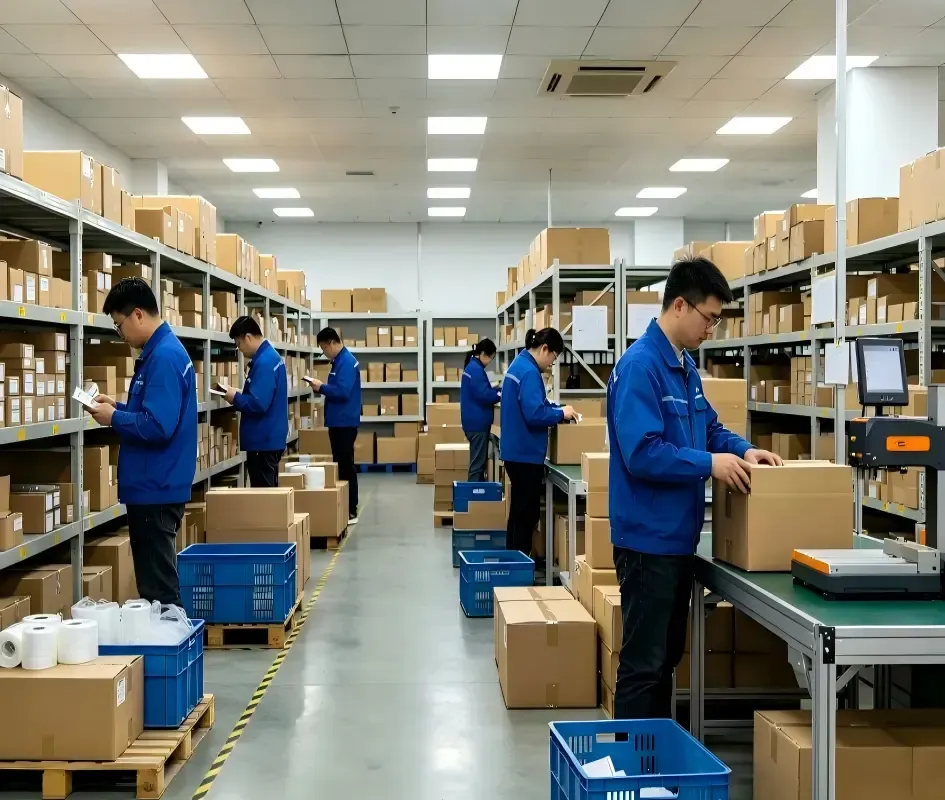
The question everyone asks first about sourcing agents is the wrong one. "How much does one cost?" has no useful single answer, because agent pricing is not a price tag - it is a model, and the same order can be priced very differently under the two models you will meet most often. What you should actually be asking: which model fits my order, and is the quote honest about what is inside it.
Here are the two models, the factors that move both, and how to read a quote.
Model one: commission on the goods
One common arrangement: the agent charges a share of the value of the goods you buy. Buy more, the agent earns more; buy nothing, you owe little or nothing.
The logic is clean for ongoing buying - the agent's incentive tracks yours toward bigger, smoother orders. The part buyers miss is what the commission is calculated on, and what it covers: goods value only, or goods plus shipping plus extras? A commission quote that quietly covers less than you assumed is the classic surprise in this model.
Model two: flat fee per order
The alternative: a fixed service fee for a defined scope - this order, these services, this price - regardless of what the goods cost. The incentive runs the other way: the agent earns the same whether your unit price lands high or low, which suits buyers who want the negotiation pushed hard.
Flat fees shine on defined projects: one product, a fixed order, a clear service list. They demand more precision up front - the scope has to be written, because there is no rising percentage to absorb the extras.
What moves the number under either model
Order size. Bigger orders spread the agent's work thinner per unit; tiny orders cost the agent the same effort for less cover.
Number of suppliers. A single factory, or a roster of them? Every extra supplier multiplies the communication, the samples, the pickups and the consolidation work.
Service depth. Sourcing only, sourcing through production, or the full chain to your door - every step you hand over is a step you pay for, and the scope should be visible in the model.
Product category. Fragile goods, oversized goods, products needing extra sample rounds - the category shapes the workload before anything is ordered.
Incoterms Explained by a China Buying Agent: EXW, FOB, CIF and DDP in PracticeReading a quote the way an agent reads an order
Whichever model a quote uses, the honest ones share three features. The scope is stated: what the fee covers, stage by stage. The boundaries are stated: what it does not cover, in the same sentence. And the model is stated up front, not discovered at the second bill.
What you should never accept: a percentage with no scope, a "we will work it out" on fees, or a number that appears after the negotiation with the factory is already done. The agent's fee is the one number in your order you control before the money moves - treat it that way.
Best China Sourcing Agent: 10 Questions to Ask Before You SignAsk, in one message
You do not need a calculator to settle this - you need one email. Send your product list and ask: flat fee or commission for an order like mine, covering what, excluding what. The reply either reads like a service or like a price tag, and that difference is the real answer to "how much does a sourcing agent cost".
Send us your product list and ask us the fee question directly