
Buying Guides
International Freight Forwarder from Shenzhen: Sea, Air and Express Shipping from China
How sea, air and express freight actually move from Shenzhen and the Pearl River Delta to your door - the routes, the steps, the paperwork, and where a buying agent fits in.
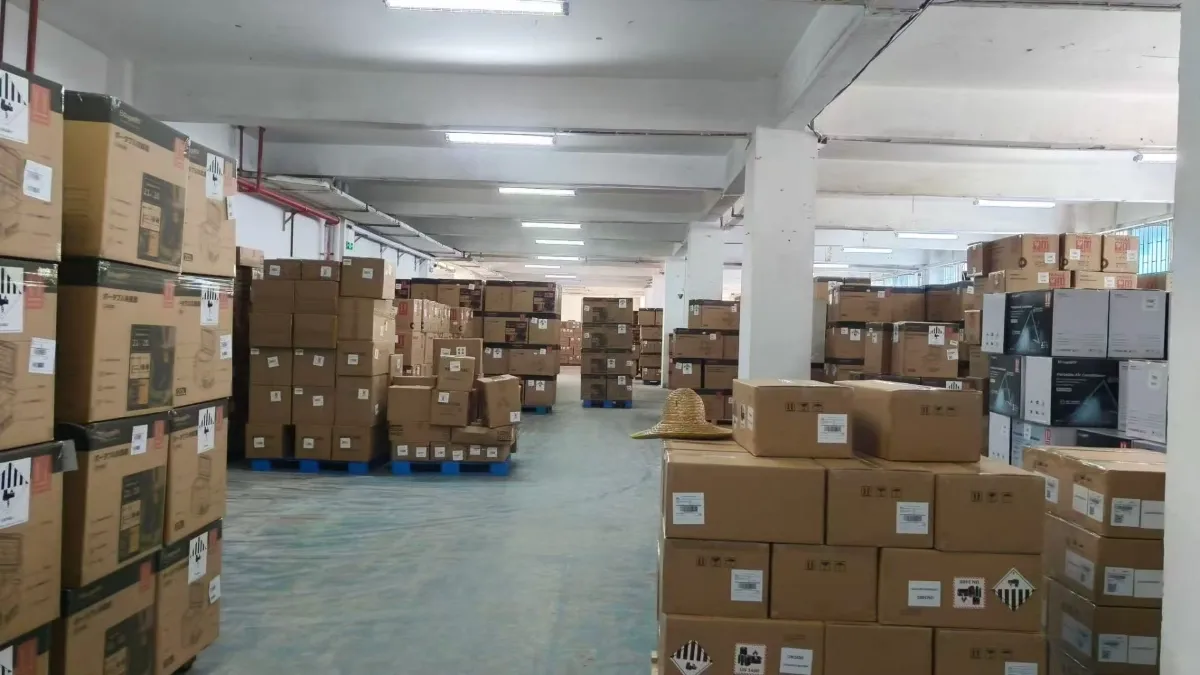
The goods are bought, the boxes are taped, and the only thing between you and your stock is the freight. This is the part of importing that decides when - and in what condition - your products actually arrive, and it is also the part first-time buyers understand least. Shenzhen and the cities around it ship out a large share of the world's consumer goods every week, and the network that carries them is deeper and more competitive than most buyers realize. Here is how it works, piece by piece.
Why so much cargo leaves Shenzhen
Geography did most of the work. Shenzhen sits at the heart of the Pearl River Delta, the manufacturing belt that stretches from Hong Kong up through Guangzhou, Dongguan and Foshan. On the city's eastern side sits Yantian, a deep-water port that ocean carriers treat as a first stop on transpacific and Europe routes. On the western side, Shekou and Chiwan serve the delta's factories a truck ride closer. The city's own international airport, Bao'an, sits in the west as well, and Hong Kong's port and airport are right across the border.
For a buyer, that concentration is not trivia - it is leverage. Several ports and two major airports within a few hours of the same warehouse means carriers and forwarders compete for the same cargo, sailings and flights are frequent, and a route that is full or overpriced this week usually has an alternative next week. You are never dependent on one departure.
The four ways cargo leaves South China
Sea freight: a full container (FCL)
If your order can fill a 20ft or 40ft container, your goods travel in a sealed box loaded once at the factory or warehouse and opened only at destination. Nothing gets mixed with anyone else's cargo, handling is minimal, and the cost per cubic meter is the lowest you will find. This is the natural mode once an order reaches real volume.
Sea freight: shared space (LCL)
Most small wholesalers never fill a container, and sea freight still works for them. LCL - less than container load - means your cargo shares a container with other shipments bound for the same country. Everything is consolidated at a warehouse before sailing and split apart again at destination, and you pay only for the space your goods occupy. The trade-offs are real but manageable: extra handling at both ends, and a few extra days while the container is filled.
Air freight
When a deadline matters more than the budget, air freight is the tool. Cargo flies out of Bao'an or Hong Kong, and the airport-to-airport leg is a matter of days. The ends deserve as much attention as the flight: clearance and delivery at each side take coordination, and airlines charge by chargeable weight - whichever is larger, the actual weight or the volume weight - so light, bulky goods cost more than their bathroom-scale weight suggests.
International express
Express is the door-to-door version of air. A courier picks up a carton at the warehouse and delivers it to an address, with simplified paperwork and tracking the whole way. It is the most expensive option per kilo and the least complicated one, which makes it the right answer for samples and small urgent parcels - and the wrong one for production quantities.
Sea is a price decision. Air and express are deadline decisions. Most importers end up using all three in the same quarter.
The journey, step by step
Whatever the mode, the sequence barely changes. It starts with a quote built on four numbers - weight, volume, destination, and the service level you want (port-to-port, or door-to-door). Then the shipment is booked, the goods are collected or delivered to the warehouse, and the cargo is declared for export in China.
After that comes the main leg - vessel or plane - and on arrival the reverse: import clearance in your country, duties and taxes settled, and final delivery by truck or courier. Each handover between parties is a place where delays hide, so the unglamorous habit that saves the most time is asking, in writing, who is responsible for the cargo at every step before it moves.
How long it takes, and what the price follows
Ranges, honestly framed: international express commonly lands within about a week, door to door. Air freight is a few days in the air, with clearance and delivery on both ends added on top. Sea freight to the US West Coast commonly runs around two to three weeks port to port, and to northern Europe closer to four to five, with LCL adding consolidation days at the start. Rail to Europe exists on some lanes and takes roughly three weeks. Every one of these ranges stretches in peak season - the months before major holidays, when space on vessels gets tight and rates climb.
Price follows the same logic everywhere: you pay for weight or volume (whichever the mode charges on), the service level, fuel and peak-season surcharges, and your country's duties and taxes. When one quote is dramatically cheaper than the rest, the difference almost always sits in one of those lines - so ask which one before you celebrate.
The paperwork that travels with the goods
The core set is short: a commercial invoice stating what the goods are and what they cost, a packing list showing how they are packed, the transport document (a bill of lading for sea, an air waybill for air), and often a certificate of origin. Declarations are lodged at both ends - export in China, import in your country.
None of it is difficult, but mismatches are the classic cause of customs delays: a description on the invoice that does not match what is in the boxes, or quantities that do not match the packing list. The fix costs minutes before the truck leaves and days once the cargo has stopped moving, so the paperwork gets checked before departure, not after.
Where 6688 fits in the freight picture
An honest note first: 6688 Buying & Purchasing is a buying agent, not a shipping line and not a licensed forwarder - and that position is exactly what makes the shipping side easier. We buy the goods, inspect every order with photos or video before anything ships, consolidate purchases from several suppliers into one shipment, and repack it so the cartons match the paperwork.
How inspection and consolidation work before shippingFrom there, shipping is arranged whichever way suits you: with forwarders we work with, quoted to you at cost - the commission on the buying side is 5-10% of goods value, and shipping is passed through with no markup - or handed to the forwarder you already use, packed, labeled and documented. Buying and freight from one desk means the party who checked your goods is also the party who hands them over.
How a buying agent works, step by stepChoosing a forwarder you will not regret
Ask three questions and insist on written answers. Who is responsible for the cargo at each handover? What exactly does the quote include - surcharges, duties, final delivery? And what happens, concretely, if the shipment is delayed or damaged? A forwarder who answers specifically is showing you how they will behave when something goes wrong. One who answers "don't worry" to all three is answering your question for you.
If you are buying from Shenzhen and want the freight arranged by the same people who checked the goods, send us your product list. We reply with a quote within 24 hours - goods value and commission shown separately, shipping at cost, no minimum order.
Ask for a shipping quote