
Buying Guides
Is 1688 Cheaper than Alibaba? The Price Logic Explained
1688 tags often sit well below Alibaba quotes. What each price actually contains, when the gap survives the trip to your door, and when it closes before the goods ship.
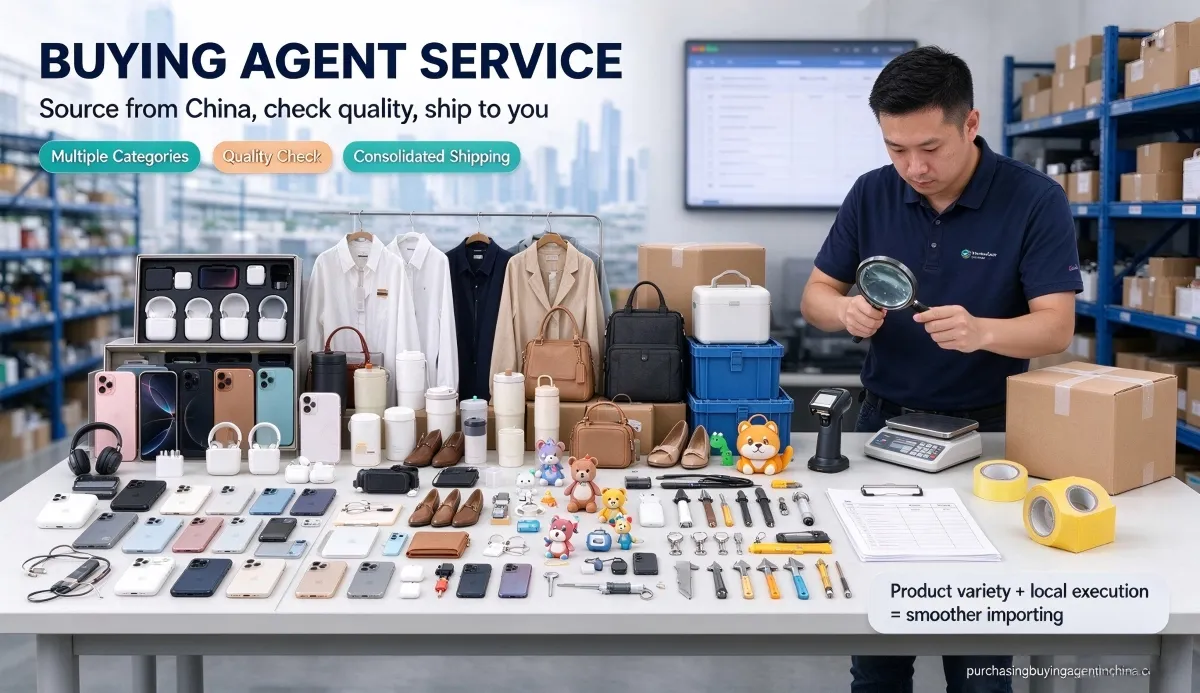
Put the same product into both platforms and you will usually see two different numbers, sometimes far enough apart to change a whole product plan. The difference is real, but the reason behind it decides whether the saving ever reaches you. This guide walks through what each price is actually made of, when the cheaper tag survives contact with reality, and when it quietly closes.
Two platforms, two different jobs
The two sites belong to the same group, but they are built for different buyers. 1688 is the group's domestic wholesale platform: sellers list in Chinese, prices are in yuan, and the customer in mind is a buyer inside China. Alibaba.com is the international marketplace: English and many other languages, export-oriented sellers, and payment and dispute machinery designed for buyers who are not in the country.
Some sellers keep storefronts on both, usually the ones with export experience, and most 1688 sellers never touch the export trade at all. Nobody publishes how large that overlap is. What matters practically: a low tag can easily come from a seller who has never shipped anything abroad.
Why the 1688 price looks so low
A 1688 tag is a domestic wholesale tag. It prices the goods sitting in the seller's warehouse in China, and nothing else: no international freight, no insurance, none of the services that move a carton from a Chinese warehouse to your door. The tag covers the goods alone, and that is what makes the two platforms look far apart at first glance; the goods number itself is where 1688's reputation for low prices comes from.
An Alibaba quote, by contrast, usually comes from a seller who expects to export. International freight arrangements, insurance and the seller's export overheads tend to be folded into the number, which is one reason the same-looking item quotes higher.
So the honest comparison is not goods against goods. It is a goods-only price against a goods-plus-services price - and the service half of that second number is not padding. It is work that somebody has to do either way; the platforms just disagree about who pays for it up front.
What the higher Alibaba price actually buys
The services inside an Alibaba quote are mostly protections. Payment sits under platform guarantees, so a late shipment or a quality dispute has a formal place to go. Sellers carry verification layers, communication happens in English or a language the platform supports, and the logistics partners involved are used to export.
For a one-off order from a seller you know nothing about, those protections are worth real money. A cheaper goods price that ends in an unrecoverable loss is not a cheaper price at all.
When the 1688 gap survives
The gap survives when someone covers the service half at a sensible cost, and keeps it covered order after order. That means a buyer who can communicate with domestic sellers in Chinese, pay them in yuan, take delivery inside China, check the goods, and consolidate several sellers' cartons into one export shipment. With that machinery in place the goods saving stays intact, and the service side becomes an operation to run rather than a margin paid inside every quote.
Agent vs. Alibaba: where each one fitsWhen the gap closes before your goods ship
Three things erode it. First, size: on a small order the goods saving can be swallowed by everything around the goods - international freight on a small parcel, service fees, payment costs - and a small mixed order can land at a total close to an Alibaba one. Second, mismatch: identical listing photos on the two platforms do not guarantee the same source, and differences in materials and workmanship can hand the saving straight back in returns and reorders. Third, friction: every step a foreign buyer handles personally - translation, yuan payment, domestic delivery, the export leg - is a step that can go wrong with no formal place to take the dispute.
Paying on 1688 from overseas: methods that workBuying from 1688 without a Chinese accountMaking the math work with an agent
This is the job a buying agent does: stand on the domestic side, buy at local prices, and turn the 1688 price logic into an import route you can use from anywhere. The agent's commission replaces the per-order service margin, and because it is a percentage of the goods value it scales with the order instead of inflating each quote.
6688 Buying & Purchasing works from a Shenzhen base and sources through 1688, Taobao, factories and wholesale markets. Describe what you need and a set of supplier options with a quotation comes back inside 24 hours. The commission sits at 5-10% of goods value and moves with order size and sourcing difficulty; there is no minimum order, and shipping and payment fees are passed through at cost - so the domestic price advantage stays visible instead of dissolving into the service half.
How a buying agent works, step by stepGet supplier options and a quotation for your product listThe short version
1688 is cheaper at the warehouse door; the door that matters is yours. A low tag is the start of the calculation, not the end of it, and the total that reaches you depends on who covers the services around the goods. With those covered inside a percentage-commission arrangement, the domestic advantage survives the trip; without them, it usually does not.